Philipponnat


A full-bodied champagne from Mareuil-sur-Aÿ
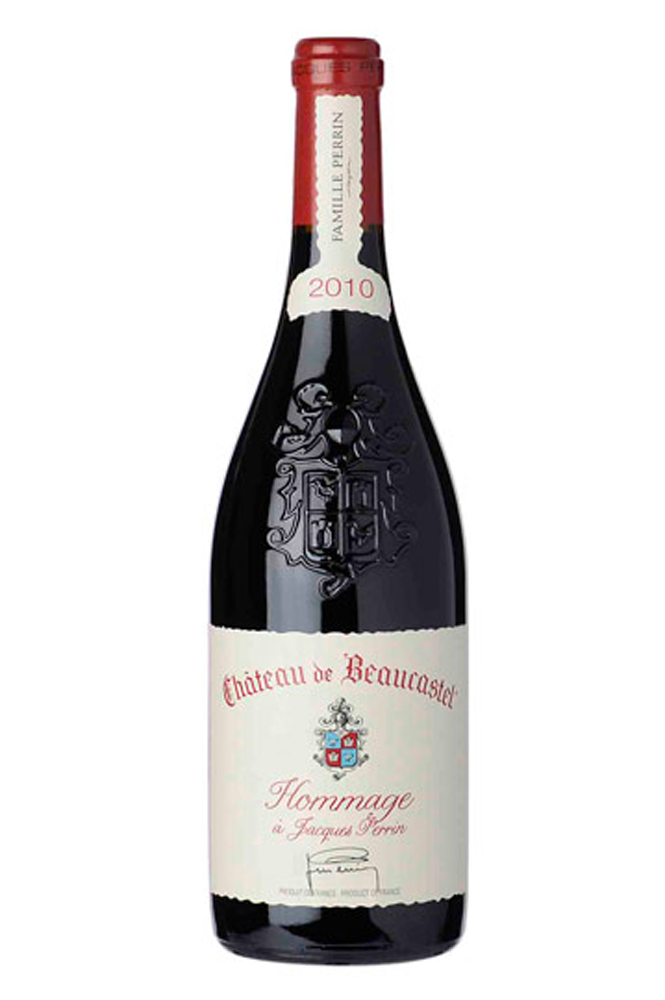
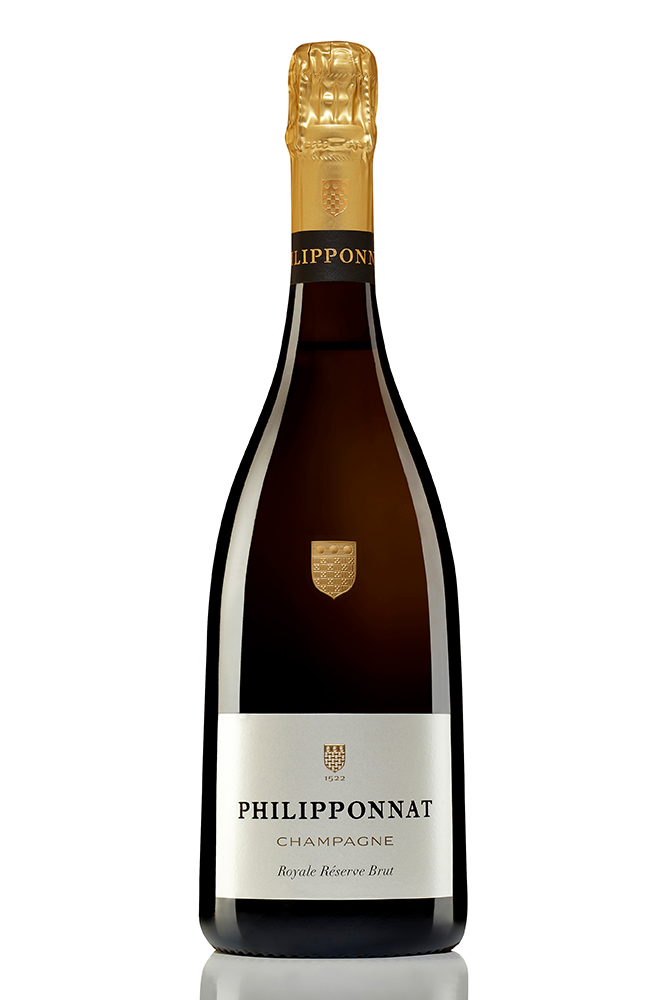
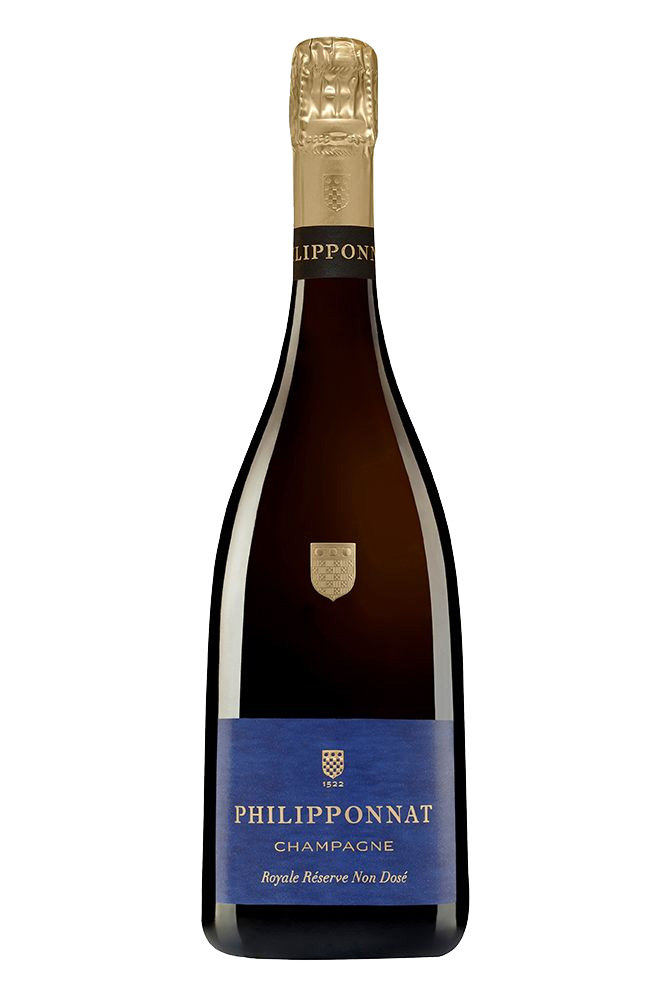
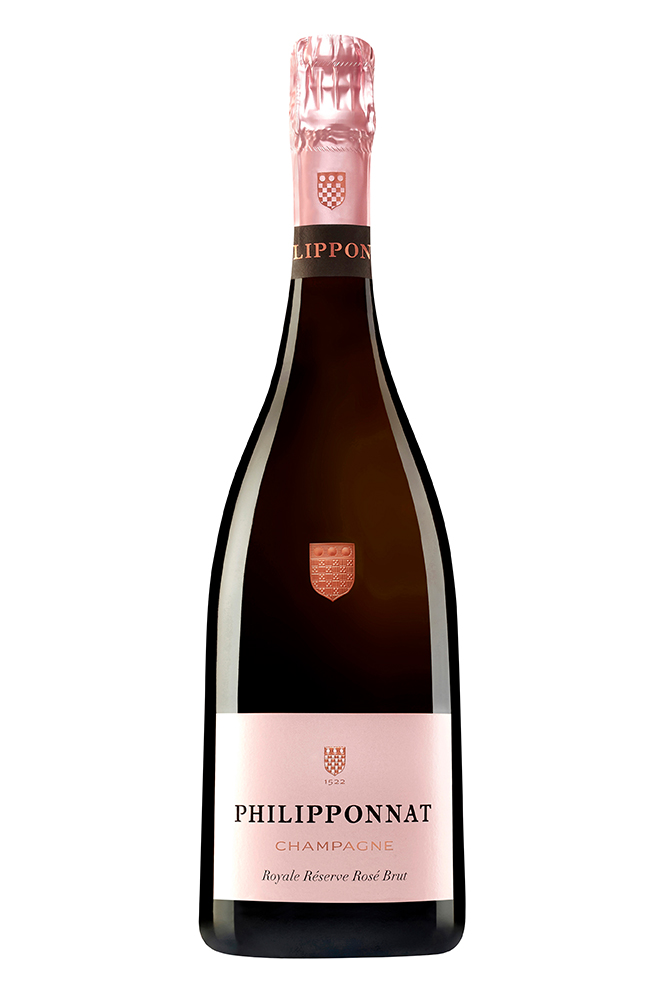
Champagne Philipponnat is one of the most traditional houses in Champagne. The family’s history dates back to 1522, when Apvril Philipponnat was already cultivating vineyards around Aÿ. Since 1910, the house has been based in Mareuil-sur-Aÿ; in the heart of the Grande Vallée de la Marne.
To this day, Philipponnat is known for its distinct, unique style. Pinot Noir, in particular, plays a central role, lending the champagnes structure, depth, and character. Chardonnay and Pinot Meunier round out the portfolio, adding finesse and complexity.
Experience Champagne Philipponnat in Person in Vienna
If you’d like to not only learn about Philipponnat but also taste its wines firsthand, the Kracher Fine Wine Portfolio Tasting 2026 offers you the perfect opportunity. On October 30th, Champagne Philipponnat will be showcasing its wines alongside numerous other international wineries at the Palais Niederösterreich.
Look forward to exceptional wines, personal conversations with the producers, and a special afternoon dedicated entirely to fine wine.
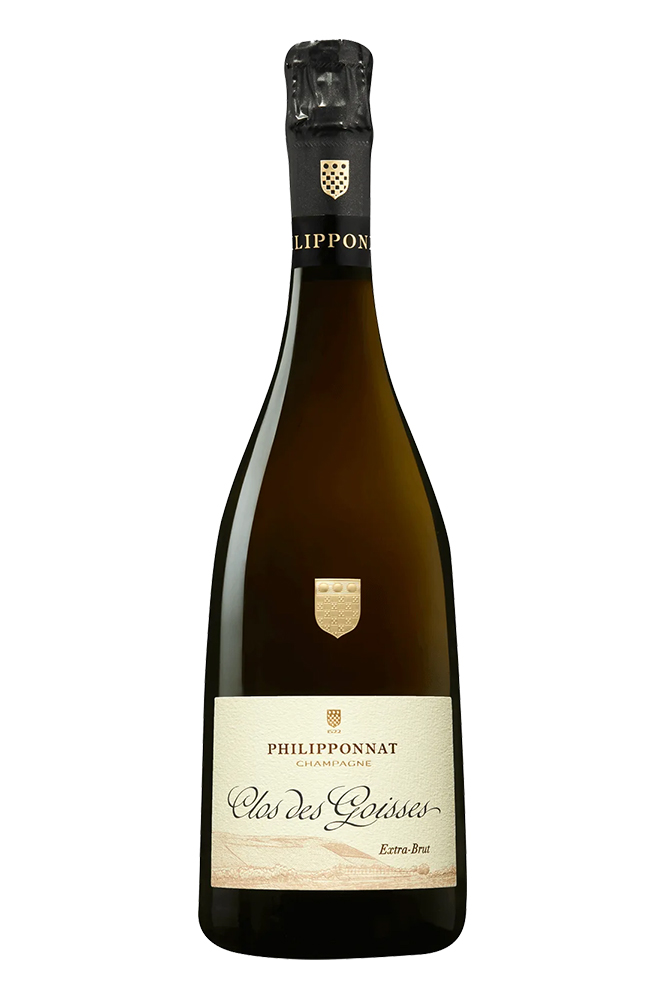
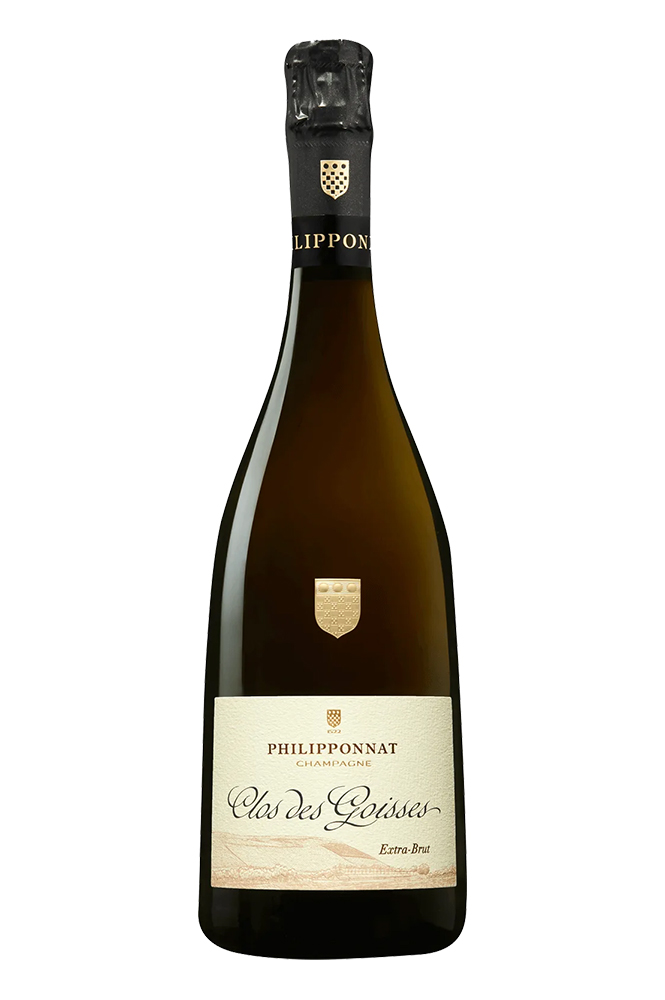

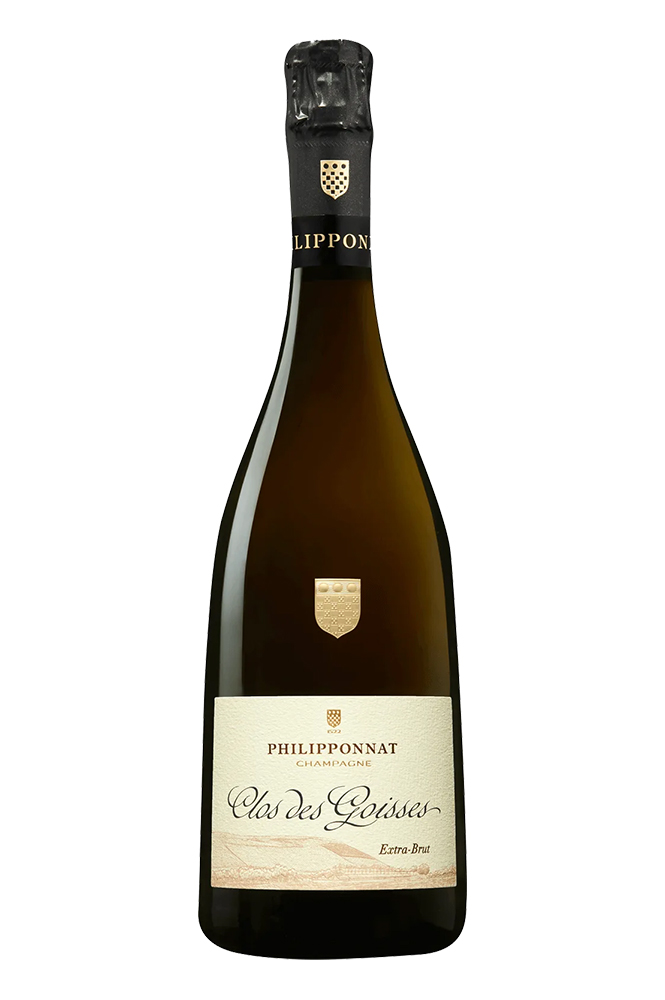
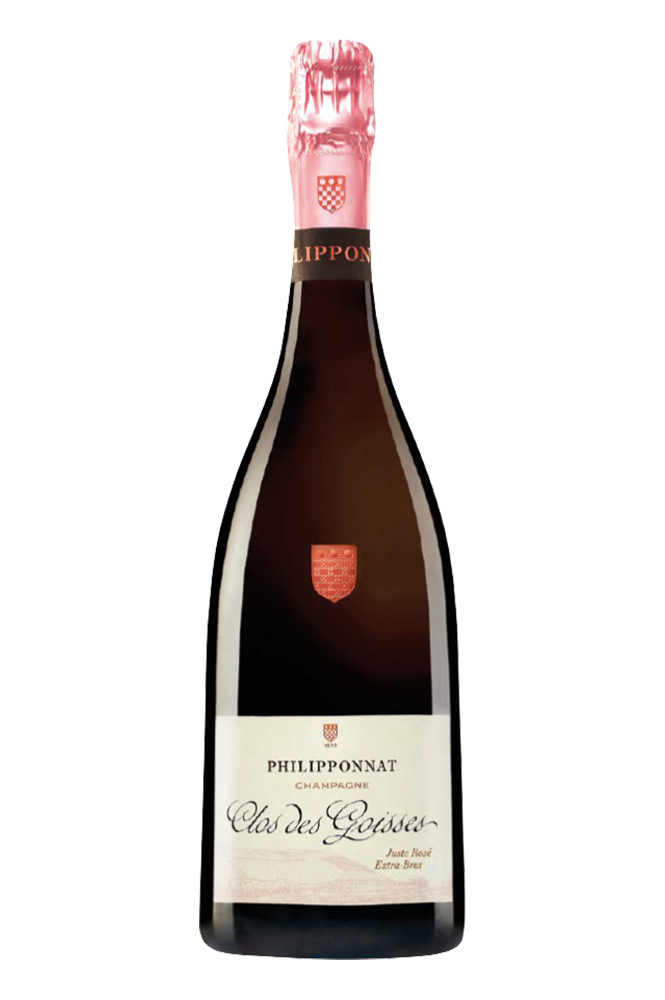
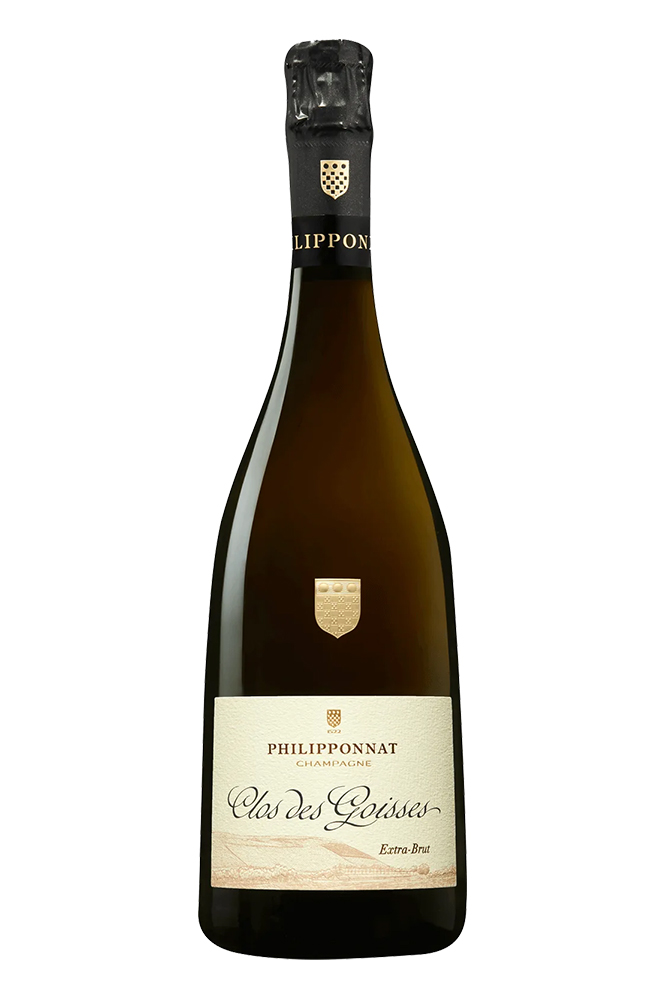
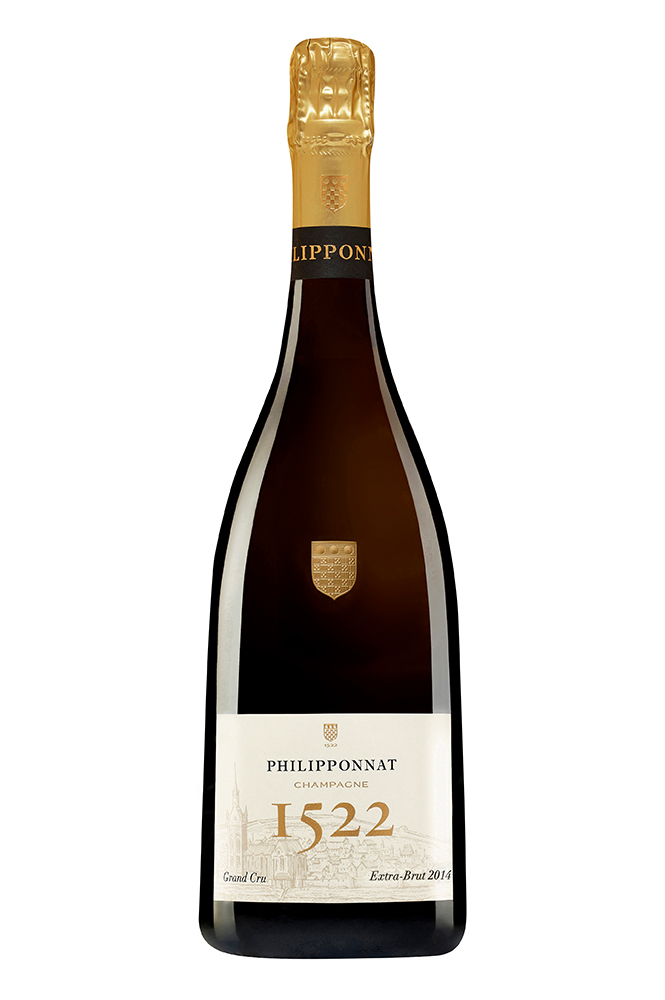




Clos des Goisses: an exceptional single vineyard
At the heart of Champagne Philipponnat lies the legendary Clos des Goisses. This walled vineyard, spanning just 5.83 hectares, is situated on one of the steepest slopes in Mareuil-sur-Aÿ and faces entirely south. This unique exposure ensures exceptional ripeness of the grapes and imparts power and concentration to the wines without compromising their freshness.
Clos des Goisses is one of the oldest walled vineyards in Champagne and was one of the first sites in the region to be consistently harvested and vinified separately. Today, the site is considered a symbol of Philipponnat’s philosophy: to view a great Champagne not merely as a cuvée, but as the precise expression of a single terroir.
Five Centuries of Winemaking History
For 16 generations now, the name Philipponnat has been closely associated with Champagne. The house cultivates its own Premier Cru and Grand Cru vineyards around Aÿ and Mareuil-sur-Aÿ, combining its long history with a precise, terroir-driven style.
The focus is not only on the origin of the grapes, but also on the ability of the champagnes to continue to evolve over many years and decades.


